Finger amputations are commonly the result of traumatic injuries from work-related accidents or recreational activities like woodworking or sports. With advancements in Robotics, individuals who have lost fingers can now benefit from highly functional prosthetic fingers. These Robotics devices are designed to mimic natural finger movement using miniature motors, sensors, and smart control systems. Depending on the level of amputation, Robotic fingers can be custom-built to restore grip, dexterity, and even a sense of touch through pressure feedback. They enable users to perform everyday tasks such as typing, holding utensils, or using tools, significantly improving independence and quality of life.
Finger amputation at the DIP joint affects fine motor skills and sensitivity. Prosthetic fingertips can restore basic grip and improve daily hand functions with a natural appearance.
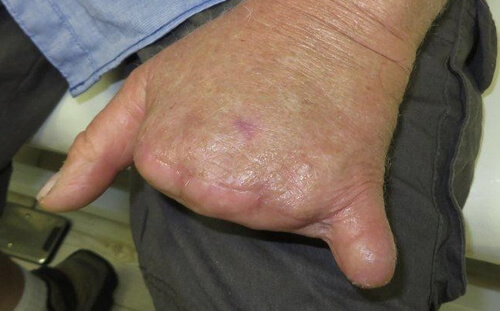
Mid-finger amputations of multiple fingers impact grip strength. Robotics prosthetics can restore partial function and improve hand coordination.
Complete amputation at the metacarpo-phalangeal joint level can be restored with Robotics prosthetics, offering precision and functionality for daily tasks.
Ask The Experts
If you have any queries regarding our products and service, give us a call on +91 97176 61811. We are here to help you.
Prosthetic fingers are typically crafted from silicone, with the fingernail often made from acrylic in various color combinations. These prosthetic fingers are commonly suspended using suction, which is created between the prosthesis and the residual finger stump. When the prosthesis is placed onto the stump, air is expelled, ensuring a secure and reliable fit for the user. This design allows for comfort and stability during daily activities.
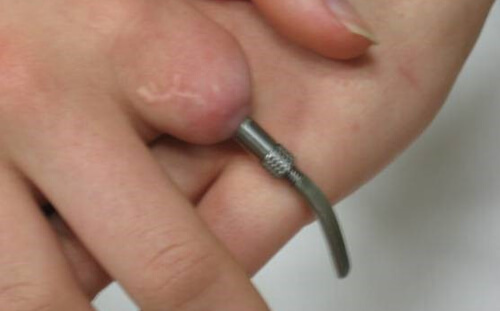
The finger prosthesis can also be suspended using an osseointegrated implant, which includes a metal abutment extension that extends from the end of the amputated finger. This method offers several advantages over the standard suction suspension:
Enhanced mechanical suspension: The prosthesis is securely supported by the abutment extension, reducing the likelihood of it coming off, especially in cases of high-level finger amputations (short stumps).
Improved functionality: The prosthesis benefits from direct skeletal attachment through the implant and abutment extension, allowing more force to be applied through the prosthetic finger when gripping objects.
Cosmetic benefits: The top-end margins of the prosthesis, where it meets the residual finger, can be made thinner since the suspension and stability are provided by the implant, not the prosthesis itself. This results in a more aesthetically pleasing appearance, as the edges can be less noticeable.
Osseointegrated implant with exterior abutment extension.
The abutment extension fits snugly into the core of the silicone finger prosthesis.
The prosthesis in place on the residual finger.
Osseointegrated implant, abutment extension and silicone finger prosthesis.
The threaded implant can be seen in the clear acrylic “bone” of the finger.
Regardless of the suspension method, the silicone prosthetic finger is primarily designed for cosmetic purposes. However, it can also provide secondary functional support, as shown in the images below. Additionally, the prosthetic finger can help protect the sensitive residual finger tip, which is often vulnerable to impact when it comes into contact with hard objects or surfaces. This added protection can help prevent discomfort and injury, improving the user’s daily experience.
Silicone finger prostheses enhance grip by improving the opposition between the amputated fingers and thumb, allowing users to hold objects securely while offering cosmetic benefits.